People live a lot online now. Our info stays safe because of passwords. But many pick easy ones like “123456” or “password,” even when experts warn against it. This happens not just from being lazy. It comes from how our minds work with passwords. We call this password psychology. It shows how we act with security online. Knowing why people pick weak passwords helps fix bad habits.
Data shows a big problem. Reports say “123456” is still super common. Hundreds of thousands use it, even after big hacks. This keeps going because of how we think about passwords. Ease wins over safety. Things like brain tricks, forgetfulness, and feelings shape what we do. In this blog, we look at reasons for bad password habits. We also see why people keep weak ones even with dangers.
Note: FastestPass is a secure password manager that generates strong credentials, stores them with military-grade encryption, and autofills across devices for easy, private access.
How Common Are Weak Passwords
Weak passwords show up everywhere. From emails to bank apps. What makes one weak? It’s short, easy to guess, or uses info like numbers in a row, simple words, or personal stuff. Even with better safety tech, studies say up to 43% of users go for easy-to-remember ones. They care more about not forgetting than being strong.
Why do people pick weak passwords? Often, they think their stuff isn’t worth stealing. But that’s wrong. Hackers use machines to try millions of guesses fast, like in the 2012 LinkedIn hack. Over 117 million passwords got out. “123456” showed up over 750,000 times. Same thing with Yahoo and Adobe hacks. Weak ones let bad guys in easily. This leads to stolen IDs and lost money.
Habits make it worse. Users use the same password on many sites. If one gets hit, all are at risk. Most say it’s fine because they don’t think it’ll hit them. This isn’t just numbers. It shows deeper mind stuff that makes weak passwords normal.
The whole world feels this. Attacks from weak passwords cost companies tons of cash each year. People deal with lost privacy for a long time. But info pushes don’t work well. How we act with passwords remains hard to change. Looking at these habits helps see why knowing isn’t enough.
Brain Tricks That Affect Password Picks
Password psychology has a lot to do with brain shortcuts. These help us decide fast, but mess up online safety.
One big trick is liking familiar stuff. People use birthdays or pet names. It feels special, but social media shares that info. Hackers find it easy. Some passwords have personal bits, so they’re not hard to crack.
Being too sure of yourself is another. Users think they make good passwords and won’t get hacked. This makes them reuse or share without worry. But it hides how smart attacks are now.
Thinking that good things happen to you more is common, too. People feel hackers hit others, not them. So they skip the work for better passwords.
Too many choices freeze people. Hard rules for passwords make them pick simple stuff instead. Rules meant to help end up hurting because the brain gets tired.
Who you are matters. Busy types reuse for quick recall. Relaxed ones ignore dangers. Careful users make stronger ones, but friendly types want it easy.
These tricks show password picks aren’t random. The brain wants simple, but that leads to trouble.
Ease Over Safety
Ease beats safety most times. This shapes bad habits with passwords. We choose quick over safe in online choices.
Our brains like saving effort. Simple passwords feel good because they’re fast to think of and type. Why fight a long random one when “password123” works right away? This shows in using the same one everywhere. No need to track many.
Work rules add to it. Changing passwords often leads to small tweaks, like adding a number. Hackers spot that quick. People see these rules as a pain, so they stick to weak ways more.
Fake tough passwords fool many. Adding a “!” or “1” to a word seems safe, but it’s not. Attack tools break them fast. People don’t get how good those tools are.
Seeing others do it makes it okay. In jobs, if coworkers share or reuse, everyone does. This spreads weak spots.
In the end, chasing easy makes a loop of bad passwords. We need ways that make feeling safe feel easy, too.
Forgetting and Tiredness with Passwords
Memory limits why people keep weak passwords even with risks. Brains hold about 7-10 things well. Hard passwords are tough to keep in mind. So people pick simple or write them down, which is unsafe.
Tiredness from passwords hits hard. With lots of accounts, it’s too much. People reuse or make weak changes. Studies say those who are super tired are way more likely to know it’s bad but do it still.
Reasons for bad habits include this tiredness. Resetting all the time wears you out. You want quick access, so patterns like “qwerty” win.
Rules add more load. Too many needs overwhelm, so back to weakness.
To fix memory stuff, use tools that handle it. Then safe habits come without work.
Feelings and Group Stuff
Feelings and people around shape password picks. They beat smart safety thoughts often.
Stress from online needs brings anger. People pick fast, weak passwords to feel better now.
Worry about forgetting makes fear. So stick to the known easy ones. This feeling wall keeps bad habits going. Short fix feels better than long risk.
Sharing with friends comes from trust. But it opens doors to hacks. Group rules make reuse seem fine. Everyone wants to fit in.
Sticking to old ways is hard to break. Even knowing better, change feels bad. Old passwords feel like home.
This mix of feelings and groups shows how we decide on safety. It keeps weak passwords around.
Why Just Knowing Doesn’t Fix It
Lots of teaching on risks, but people still pick weak passwords with dangers. It’s like knowing but not doing.
The gap in thinking is big. People see hacks as aimed at them, not auto stuff hitting everyone. This makes them chill.
Old habits fight change. To shift, need push and help, not just facts.
Being too sure your way is fine blocks learning.
To close this, need tools that turn knowing into doing.
Ways to Get Better Password Habits
- To beat weak passwords, use real steps from how the human minds work with them. Try memory tricks: Make short phrases from sentences, like “I Like Apples Every Day” to “ILAED2026.”
- Use word chains for passwords. Random words together are easy to recall but strong.
- Skip reuse with managers. FastestPass password manager does great. It makes unique hard ones and keeps them safe. Auto fills, too.
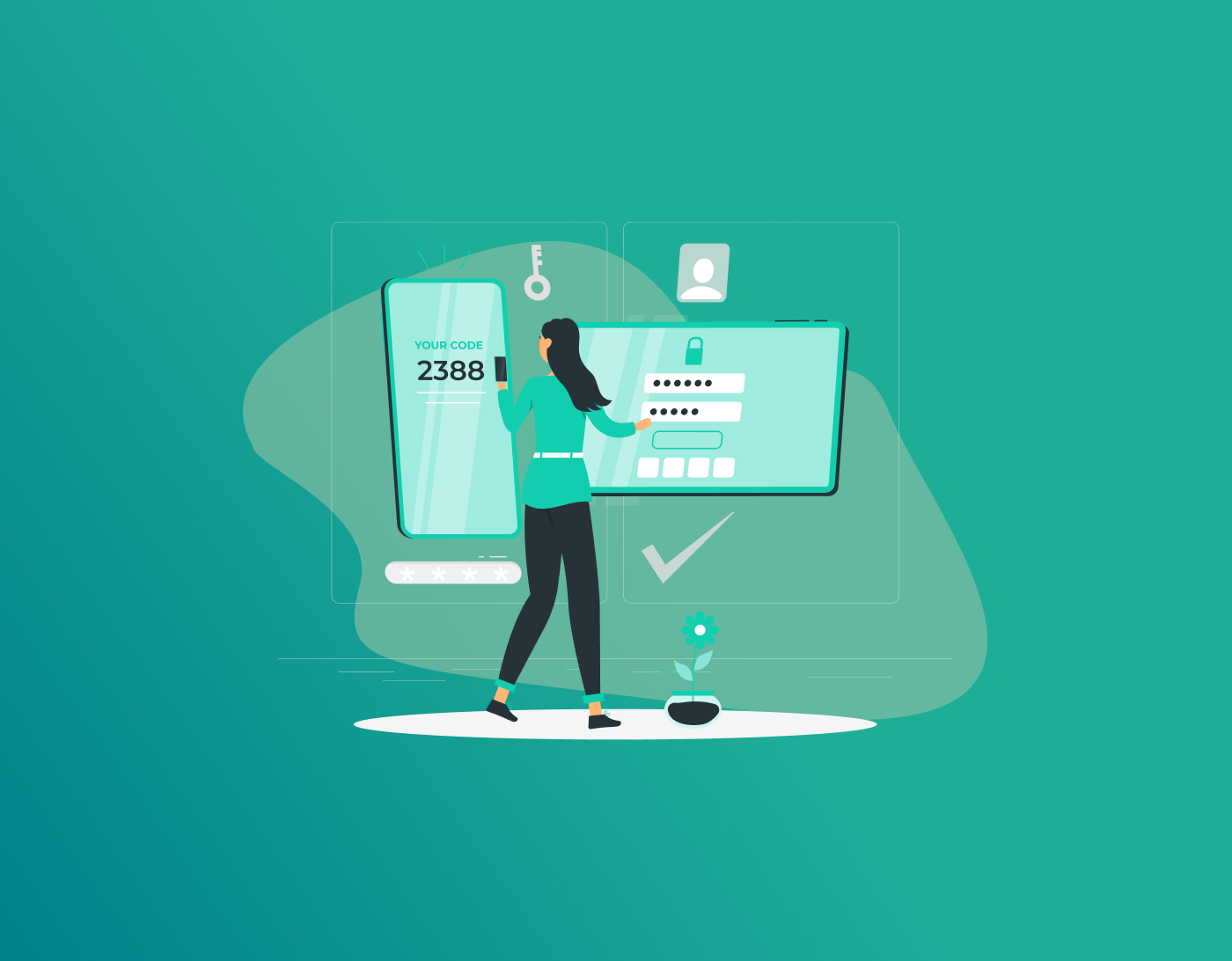
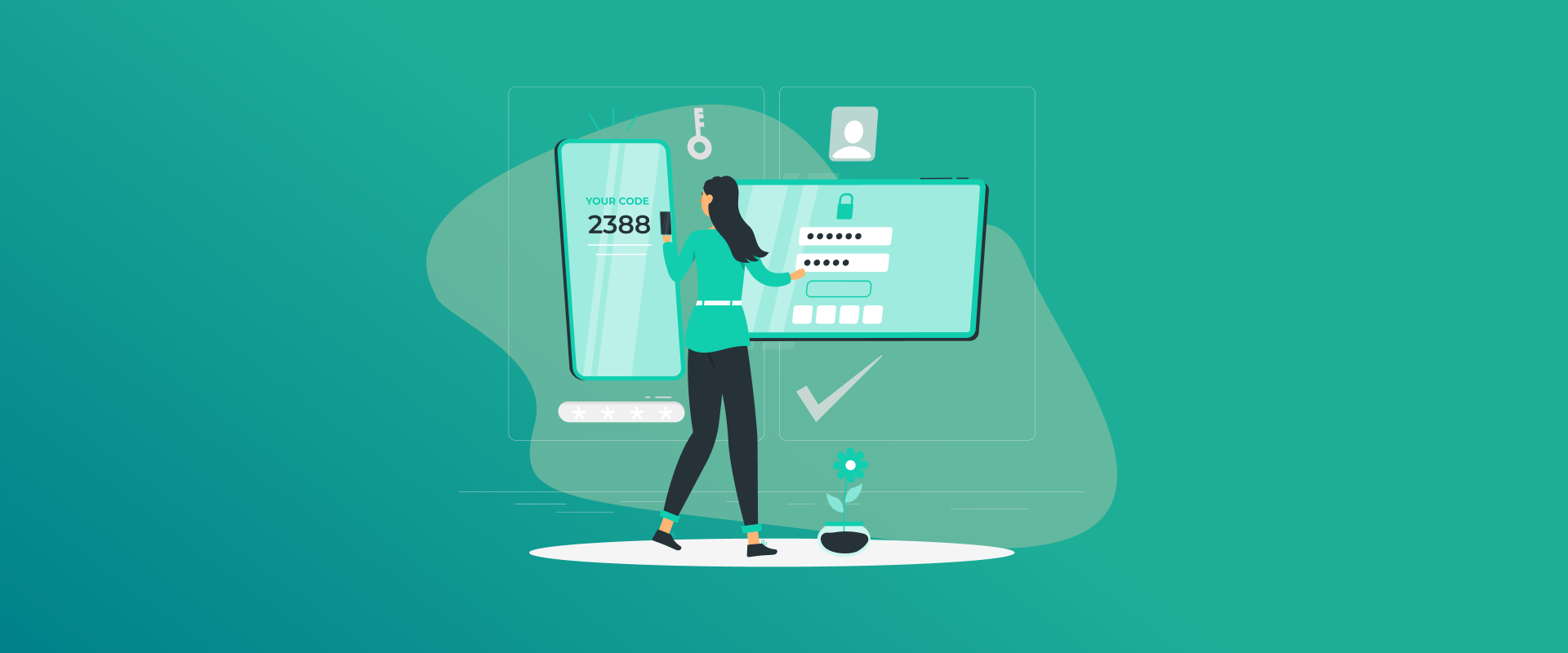
- Add extra checks like phone codes. More than just passwords.
- At work, share safe with locked apps, not mail.
- Change after hacks, but not too often, without need.
- FastestPass password manager watches for leaks. It alerts on the dark web and scores your safety to improve.
With these, ease and a safe mix. Break the bad loop.
FAQs
Many people pick simple ones that hackers can guess fast. Top ones include “123456,” “password,” and “qwerty.” These come from easy patterns like numbers in order or keyboard rows. Reports from big hacks show them over and over. For example, in one breach, “123456” appeared millions of times. Why? Users want quick recall without effort. But this makes accounts open to attacks. To avoid mixing letters, numbers, and symbols in unique ways. Tools help generate these without you thinking hard. Reusing happens because remembering many things is tough. With dozens of accounts, users pick one or two easy ones for all. This saves time but creates big risks. If hackers get one, they try it everywhere. Studies show that over half of users do this, thinking their info isn’t valuable. But attacks hit anyone. Password psychology explains it as a brain shortcut for ease. To stop, use unique ones per site. Managers store them so you don’t forget. Your traits shape your choices a lot. Careful people often make long, mixed passwords because they plan ahead. But outgoing types might pick short, fun ones like names or dates, ignoring risks. Relaxed users downplay dangers, leading to weak habits. Research links this to personality tests. For instance, high-stress people rush and choose the simple. Knowing your type helps. If you’re forgetful, rely on tools. This ties into human behavior in password security, where self-awareness improves picks. Tiredness, or password fatigue, comes from handling too many logins. It wears down your mind, making you pick weak or reuse. With work, social, and bank accounts, it’s overwhelming. People then default to easy, like let me in.” Studies say this fatigue raises error rates in security. It links to psychological reasons behind poor password habits. To fight it, cut the load. Use single sign-on or managers that auto-fill. This keeps you fresh and secure without extra work. No, info helps but doesn’t change much alone. Many know risks from news or training but still pick weak. Why? Habits stick deep, and ease wins. Password psychology shows biases like overconfidence that block action. You need nudges, like auto-strong generators or reminders. Workplaces try classes, but without tools, users slip back. Combine learning with practice, like testing your passwords’ strength online. Over time, this builds better routines. They create and keep strong, unique ones for each site. No need to remember complex strings. For example, FastestPass password manager generates random mixes and fills them in. This cuts reuse and fatigue. It also checks for leaks and suggests changes. Many fear managers as a single weak point, but with encryption, they’re safe. Studies show that users with them have fewer breaches. It’s a smart way to match human limits with top security. Start with free trials to see the ease.
Final Words!
Wrapping up, the world of passwords shows how our minds often pick easy paths over safe ones. Weak passwords stick around because of brain tricks like shortcuts and biases that favor quick choices. We see this in habits where reuse and simple patterns rule, driven by forgetfulness and tiredness. Feelings play a part, too, with fear of change or group pressure keeping bad ways going. Even knowing risks doesn’t always help, as action needs more than facts. Tools bridge this gap by making strong security feel simple.
Looking ahead, better habits start with awareness of these mind factors. Use tricks like word chains or managers to build strength without strain. FastestPass password manager stands out here, offering leak checks and auto features to protect without effort. In the end, it’s about fitting security to how we think and act. By doing so, we cut risks and enjoy online life more freely. Remember, a small shift in approach can lock out big threats.
Generate passkeys, store them in vaults, and safeguard sensitive data! Receive the latest updates, trending posts, new package deals,and more from FastestPass via our email newsletter.
By subscribing to FastestPass, you agree to receive the latest cybersecurity news, tips, product updates, and admin resources. You also agree to FastestPass' Privacy Policy.
Secure and Create Stronger Passwords Now!
Subscribe to Our Newsletter