These days, pretty much everything in our lives runs through online services — which means the risk of getting hit by cybercrime is higher than it’s ever been.
Let’s assume, you wake up, check your phone, and bam — your inbox is flooded with spam, your bank account is drained, or even worse, someone’s stolen your whole identity. A lot of these nightmares actually start with something that sounds pretty boring: a database dump.
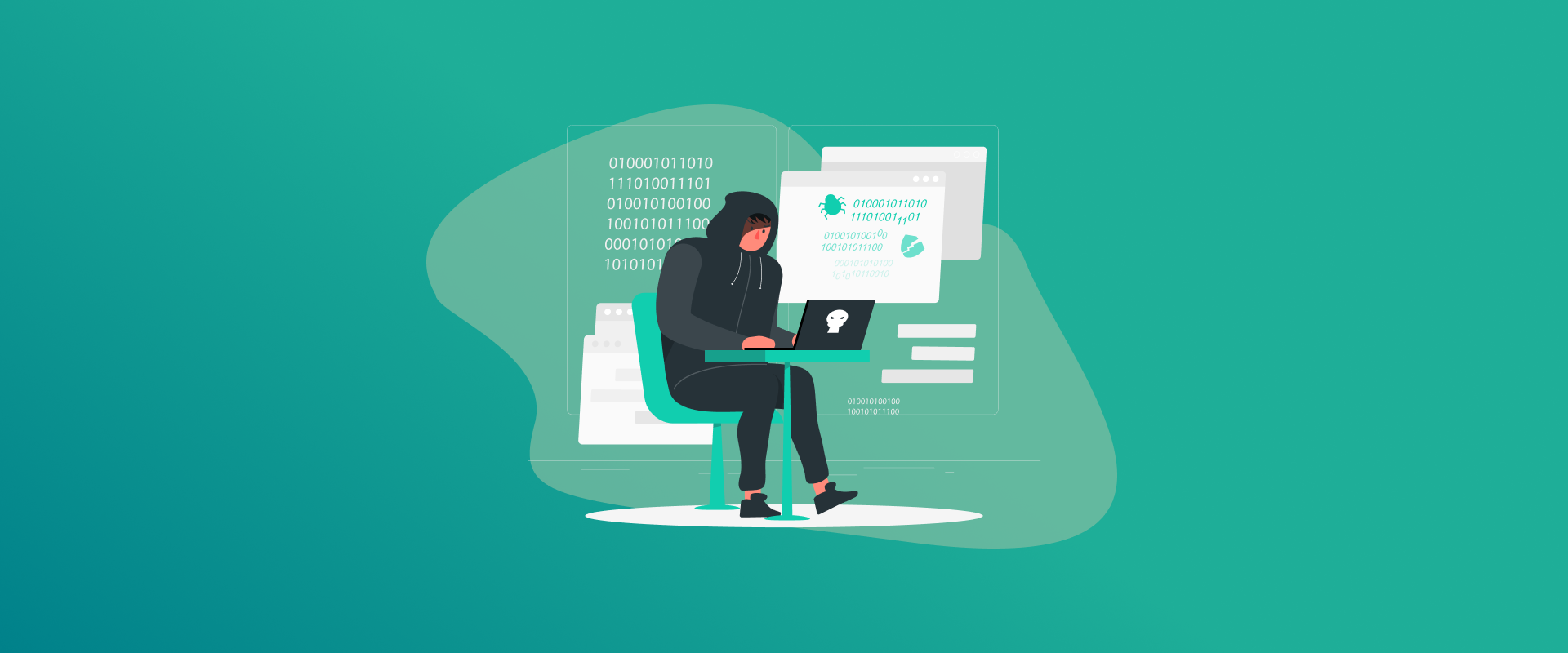
Hackers absolutely love getting their hands on these database dumps because they give them tons of real info to plan super-smart attacks against regular people like you and me.
In this post, I’ll break it down in normal language: what exactly a database dump is, the real database dump meaning, and how hackers turn data breaches into weapons aimed right at us.
We’ll also sort out database dump vs data breach, talk about those scary leaked database passwords, and shine a light on the nasty world of database dump cybercrime.
Stick with me — understanding this stuff is honestly one of the best ways to keep yourself safe.
The Basics: What Is a Database Dump, Really?
If you want to get how hackers pull off their tricks, you have to start with their favorite toy: the database dump.
Super simple version? A database dump is basically a complete copy or export of everything stored in a database. Think of databases as the secret storage rooms behind almost every website and app you use. They hold your user profiles, email addresses, payment details — and yeah, your passwords too.
So the database dump meaning is straightforward: it’s like someone sneaking in, taking a full photo of the entire storage room, and walking off with it.
Companies and developers create these dumps all the time for totally legit reasons — backups, moving data to a new server, testing stuff. But when hackers snag one? That’s when things turn ugly. They suddenly have a giant pile of real user data they can mess with however they want.
These things are huge — millions of records, usually saved as SQL files or simple CSV spreadsheets. Hackers share them on the dark web, sell them to the highest bidder, or sometimes just dump them for free on sites like Pastebin.
Quick side-by-side: database dump vs data breach
A data breach is the bigger picture — someone breaking into a system without permission and getting access to data.
The database dump is usually the actual result or one method they use to grab the goods.
Think of the breach as the burglary itself, and the dump as the big bag of loot the burglar runs off with. Not every breach ends in a full dump (some hackers just grab credit cards in real time), but dumps are especially dangerous because hackers can study them offline, quietly, without getting caught.
How Hackers Get Those Leaked Database Passwords
The really terrifying part? How easily leaked database passwords fall into the wrong hands.
It usually starts with weak spots: bad encryption, outdated software that hasn’t been patched, or even someone inside helping out. Once they’re in, hackers use tricks like SQL injection (basically fooling the system into spilling its secrets) or find poorly protected backup files sitting out in the open on cloud storage.
Leaked database passwords are the golden ticket. Lots of sites store passwords hashed (scrambled), but if the hashing is weak or missing “salt,” hackers crack them fast with rainbow tables or brute-force tools. In the worst cases, passwords are stored in plain text — instant access.
And it’s not just passwords — usernames, emails, security questions, everything comes along for the ride. Hackers use automated scripts to hunt for vulnerable spots and pull these dumps from forgotten test servers or misconfigured clouds.
Remember the classic LinkedIn breach from 2012? Over 117 million leaked database passwords eventually leaked out years later. Hackers didn’t stop there — they ran credential stuffing attacks, trying those same username/password combos on tons of other sites (Amazon, Netflix, your email…). If you reuse passwords (and most people do), you’re basically handing them the keys.
From Dump to Total Chaos: How Hackers Actually Use Data Breaches
Getting the database dump is just step one. What happens next is where it gets really dark. Database dump cybercrime shows up in a bunch of ugly ways, all about turning your info into cash or damage.
- Identity theft — With birthdates, addresses, social security numbers from a dump, crooks open fake credit lines, file bogus tax returns, or build full fake identities. We saw huge spikes after big incidents like the MOVEit supply-chain mess (which kept causing fallout well into 2025).
- Super-targeted phishing — Instead of generic scam emails, they use real details from the dump: “Hey John, remember your old LinkedIn password from 2012 got leaked? Click here to ‘fix’ it.” It’s way harder to spot when it feels personal.
- Ransomware & extortion — They cross-check dumps with public info to build profiles. If you look like you’ve got money, they might lock your files and demand payment — or threaten to publicly release embarrassing stuff.
The worst part is aggregation. Hackers mash multiple database dumps together into massive “combo lists” — billions of email/password pairs. Tools like Have I Been Pwned? (which tracks breaches and even public paste dumps) let you check if your email’s been exposed — but by the time you find out, the damage might already be rolling.
Take the old Yahoo breach — over 3 billion accounts. Hackers used those leaked database passwords to go after journalists, activists, and everyday people. Even a hacked streaming account can be a stepping stone to test if they can reach your bank.
Why You’re a Target (Even If You Feel “Unimportant”)
You might think, “Eh, I’m not a big deal.” Wrong. Hackers go after millions at once, then use AI to personalize. One weak password from a gaming forum can lead to your work email getting owned.
Dumps often include phone numbers — perfect for SIM-swapping (hijacking your number to reset passwords). Or spear-phishing that feels like it’s really from your friend.
And don’t forget supply-chain attacks — one small vendor’s dump can ripple out to huge companies and everyone connected.
Real example: the Capital One breach back in 2019 exposed around 100 million people’s info. Some victims dealt with credit fraud, fake loans, even lost savings from wire scams traced back to that stolen data.
How to Actually Protect Yourself (Do These Now)
Knowing about it isn’t enough — you’ve gotta act.
- Use unique passwords for every single account. A good password manager like FastestPass makes this way easier (it generates strong ones, autofills them, and keeps everything locked in an encrypted vault).
- Turn on two-factor authentication (2FA) everywhere possible — it stops most credential stuffing even if passwords leak.
- Check sites like Have I Been Pwned? regularly. If your email shows up in a breach, change those passwords ASAP and watch your accounts like a hawk.
- Be super suspicious of random emails/texts/calls. Always double-check the source before clicking anything.
- Use a VPN on public Wi-Fi to cut down on sneaky attacks that could create new dumps.
Companies need to do better too — stronger encryption, constant checks, zero-trust setups — but we can vote with our choices by picking services that actually take security seriously.
And yeah, push for better laws (like GDPR-style breach notifications) that force companies to tell us when stuff goes wrong.
Bottom Line
Database dumps aren’t disappearing — they’re just the ugly side of our always-connected world. From figuring out what is a database dump and its real meaning, to understanding database dump vs data breach, we’ve seen how they power database dump cybercrime — especially through leaked database passwords, how hackers get them, and how they use those data breaches to come after regular people.
Here in 2026, with AI making attacks faster and smarter, staying sharp is everything. Lock down your digital life, stay informed, and don’t let anyone tell you you’re being paranoid — in this game, they really are after your data.
Generate passkeys, store them in vaults, and safeguard sensitive data! Receive the latest updates, trending posts, new package deals,and more from FastestPass via our email newsletter.
By subscribing to FastestPass, you agree to receive the latest cybersecurity news, tips, product updates, and admin resources. You also agree to FastestPass' Privacy Policy.
Secure and Create Stronger Passwords Now!
Subscribe to Our Newsletter