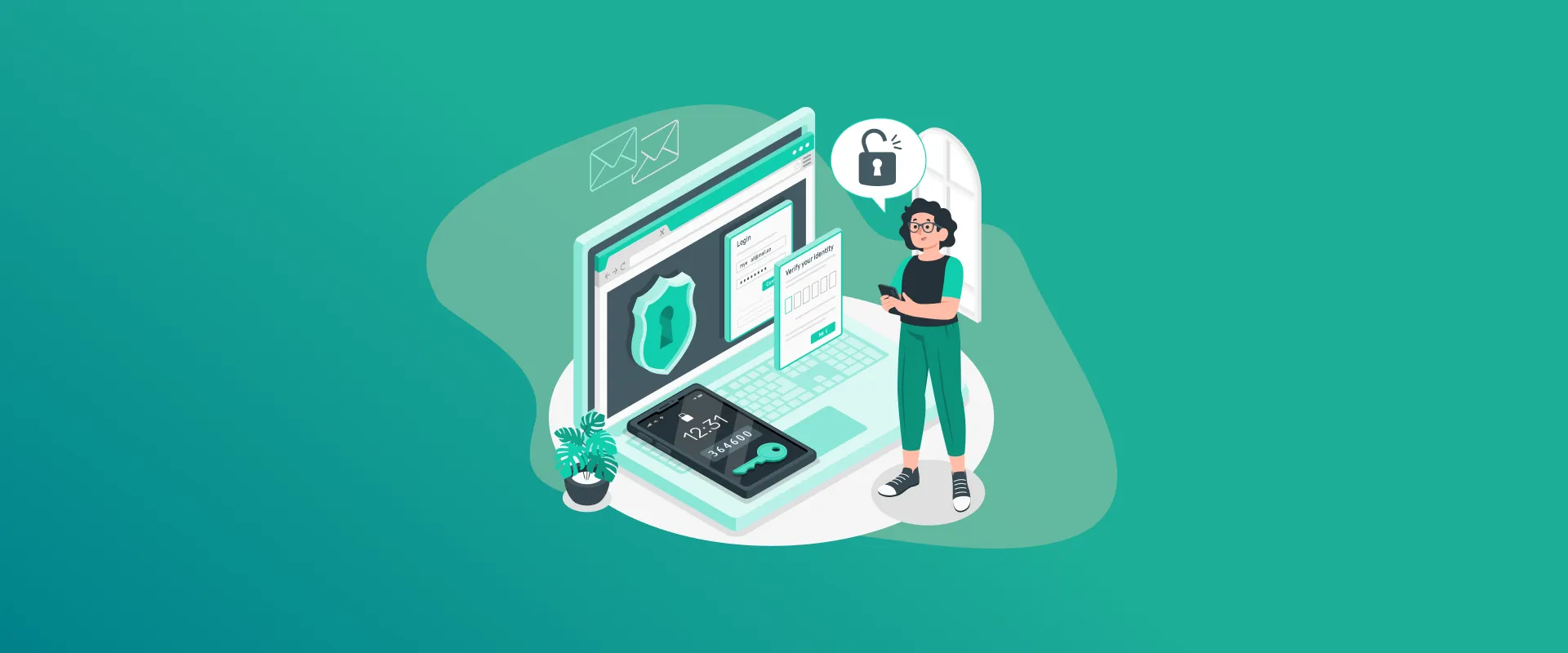
If you have heard about the infamous 16 billion passwords leaked back in June, with services like Google, Facebook, Apple, and some government platforms being affected recently or a while ago, you have finally made the right decision; the decision to understand how you can stay safe from such a leak in the first place, and if, due to an unfortunate circumstance, you did end up with your password being leaked online, then how to recover your accounts in no time–and be safe from any such future attempt.
NOTE: Password Leak has become quite the talk of the town in recent times. This is mostly because people select the easiest passwords for their accounts, and make the same mistake for almost every account of theirs, with a slight variation in passwords across accounts. If you don’t remember your passwords, now is the best time to switch to a dedicated password manager like FastestPass and make and save your unimaginable passwords synced across all your devices.
How to Tell If Your Password Was Leaked
Was your password leaked? How would you know if you aren’t notified about a breach that occurred to your account(s) in your absence/while you were away for any reason?
The first step is to confirm whether there’s really a problem. A password leak can come from a hacked website, a compromised app, malware on your device, or even a phishing email you clicked on.
If your password has been leaked in a data breach, it can feel scary and overwhelming. This is where you need to check for the most common signs that indicate that your password may indeed be at risk of a breach.
Signs that Your Password has been Leaked
The common signs your password might be exposed include:
- You receive an email from a company stating that your account was part of a data breach.
- You receive login alerts or security notifications from services you use, especially from new locations or devices.
- There are password reset emails in your inbox that you did not request.
- Friends and family say that they are receiving strange messages, emails, or DMs from your accounts.
Have I Been Pwned? First Steps after a Password Leak
In case you are sure that your password is indeed breached, you can also use reputable leak-checking tools. Have I Been Pwned is a website to see whether your email and passwords appear in known data breaches.
If your email account or passwords do show up as compromised, treat it as urgent and move on to the next steps. For now, try recovering or remembering your password to that email address, make a login attempt to the account, and if you are logged in, change the password ASAP, and add an additional layer of security, for instance, 2FA.
What to do after a Password Breach?
Once you have carried out the initial steps to take control of your account from a breached password, the next steps are imminent. However, in case you are still unable to take control of your account due to pwned passwords, this Password Breach Response Guide 2025 PDF from the FDIC lets you understand the necessary steps to take to make sure your account is not only recovered at the earliest but also makes you
Step 1: Change the Password on the Affected Account
As soon as you suspect a password leak, change the password for the affected account immediately. Do not reuse an old password and do not just “tweak” the previous one by adding a number or symbol.
When you create a new password:
- Make it long: at least 12–16 characters.
- Use a mix of lowercase, uppercase, numbers, and symbols.
- Avoid personal info (names, birthdays, favorite teams, pets).
- Avoid obvious patterns like “Password123!”.
A strong passphrase can be easier to remember and harder to crack, such as combining several unrelated words into a sentence-like phrase. A good password manager, such as FastestPass, can generate and store them for you so you don’t have to remember them all.
Step 2: Turn On Two-Factor Authentication (2FA)
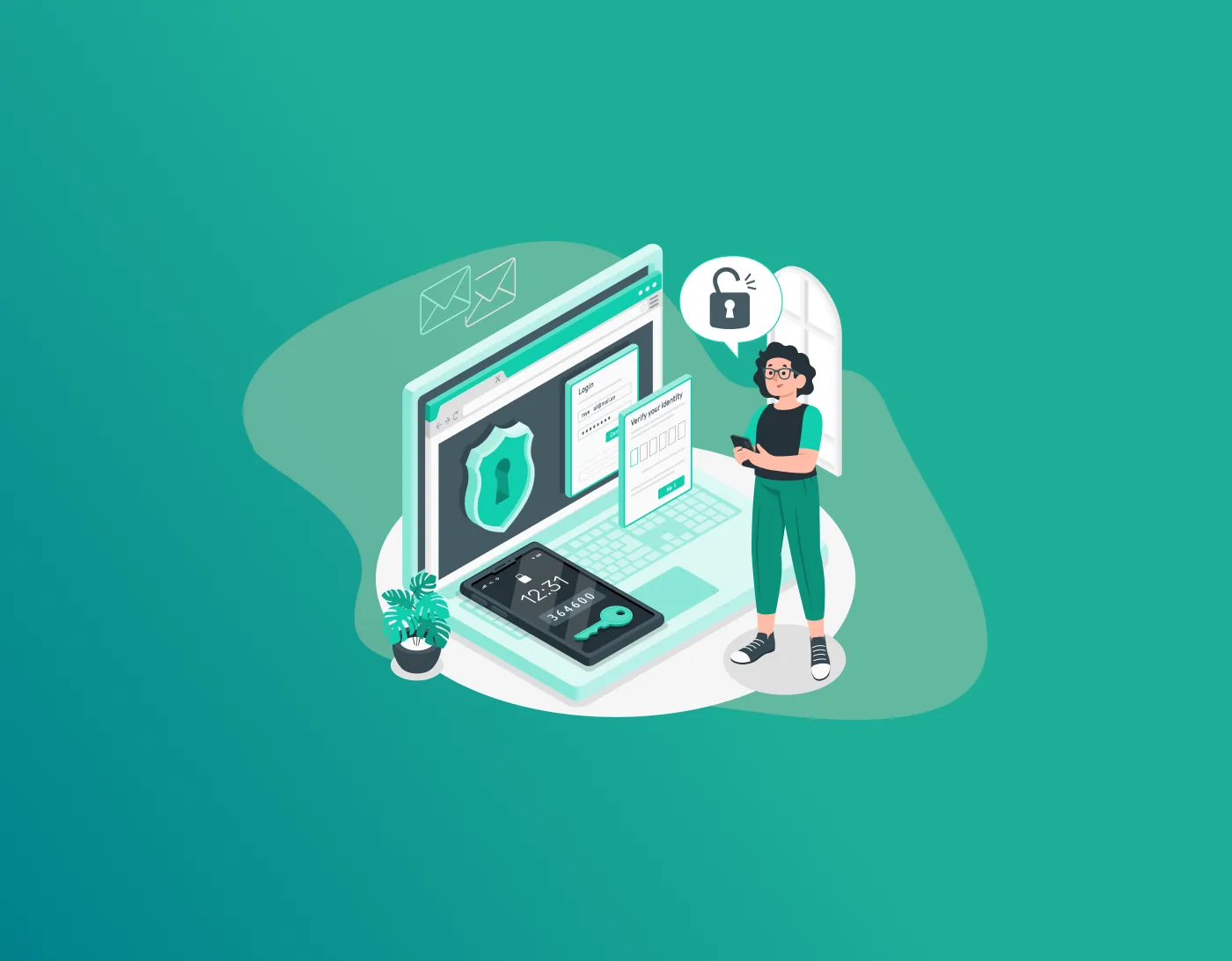
After changing your password, add an extra layer of security wherever possible. Two-factor authentication (2FA), or multi-factor authentication (MFA), means an attacker needs more than just your password to log in.
Common options include:
- An authenticator app
- A hardware security key (for example, a FIDO2/U2F key).
- SMS codes (better than nothing, but weaker than app- or hardware-based options).
Enable 2FA on all important accounts: email, banking, cloud storage, social media, work accounts, and password manager. If someone has your password but not your second factor, it becomes much harder for them to break in.
Step 3: Log Out of All Active Sessions
Many online services show you a list of devices and locations where your account is currently signed in. If your password is leaked, you should log out of all sessions and then sign back in with the new password.
On most major platforms, you can:
- Go to the “Security” or “Account” section in settings.
- Look for “Signed in devices,” “Active sessions,” or similar.
- Use the option “Log out of all devices” or “Sign out of all sessions.”
This step is crucial because if an attacker has already logged in using your old password, they may still be connected until you kick them out.
Step 4: Revoke Suspicious Apps and Connected Devices
Over time, many accounts have accumulated third-party app connections and authorized devices you no longer use. After a password leak, the necessary steps are followed.
For each critical account (Google, Microsoft, Apple, Facebook, X, etc.):
- Check the list of connected apps, websites, and devices for each account.
- Remove every device you do not recognize or no longer need.
- Reconnect only the tools you trust, using your new, strong password.
This reduces the number of places where your data can be accessed and limits what an attacker can do, even if they had some level of access.
Step 5: Fix Any Password Reuse Across Other Accounts
Password reuse is what turns a single leak into a massive problem. If you used the same or a very similar password on multiple sites, you must change those too. Attackers routinely take leaked credentials and try them on other services in a process called credential stuffing.
To clean this up:
- Make a list of your important accounts (email, banking, social media, cloud storage, work logins, e-commerce sites you use often).
- Identify any that share the same password or a variation of the leaked one.
- Change those passwords to unique, strong ones. Each account should have its own password.
This is where FastestPass password manager becomes almost essential. It can:
- Generate long, random passwords for each site.
- Store them securely in an encrypted vault.
- Auto-fill logins so you don’t have to remember them.
- Syncs them across every device you own.
- Works on a master password mechanism.
Once every important account has its own unique password, a future leak on one site is far less likely to affect everything else.
Step 6: Monitor Accounts and Financial Activity
Even after you secure your passwords, you still need to keep an eye out for signs of misuse. Cyberattackers may attempt to make quick purchases, transfer funds, or resell your data later.
What should you do after password exposure:
- Review recent transactions for anything unusual, even the small “test” charges.
- Turn on transaction alerts (SMS, email, or app notifications) where available.
- Consider asking your bank or card provider to issue a new card number if you suspect exposure.
For email, social, and cloud services:
- Look for strange login alerts or notifications from unfamiliar locations or devices.
- Check your “sent” folder for emails or messages you did not send.
- Review any rules or filters in your email inbox. Attackers sometimes create hidden forwarding rules to spy on messages.
If you see activity you don’t recognize, report it to the service provider immediately and accelerate your response (for example, locking cards, freezing accounts, or involving your bank’s fraud department).
Step 7: Update Recovery Options and Backup Codes
Many people secure their passwords but forget about account recovery paths. If an attacker can access your recovery email or phone number, they may still reset your passwords.
Review for each important account:
- Recovery email address
- Recovery phone number
- Security questions
- Backup codes for 2FA
Make sure:
- Recovery details belong only to you and are up to date.
- Security questions use answers that are not easily guessed or found on social media.
- Backup codes are stored in a secure offline place (for example, a locked note, safe, or secure password manager entry).
This will help you regain access quickly if an issue arises in the future.
Step 8: Strengthen Your Overall Password Hygiene
Once the immediate crisis is handled, take the opportunity to upgrade your general password security at the earliest.
Good long-term habits include:
- Use a password manager like FastestPass for all accounts, not just a few.
- Making long, unique passwords or passphrases for every site.
- Enabling 2FA everywhere it is supported.
- Avoid sharing passwords via email, chat, or screenshots.
- Being cautious with public Wi-Fi: avoid logging into sensitive accounts without a premium VPN and secure connection.
You can also schedule a “security checkup” every few months:
- Review your password manager’s weak/reused password reports.
- Remove old accounts you no longer use.
- Check important services’ security pages for new options (like passkeys or hardware keys).
Step 9: When to Contact Support, Bank, or Authorities
In some cases, you may need help beyond self-service tools.
You should contact:
- Account support (email, social, cloud, etc.) if:
- You are locked out of your account.
- You see changes you did not make (email, phone, 2FA device, password leak recovery options).
- Your bank or card provider if:
- There are suspicious transactions, even small ones.
- You suspect your payment details were exposed.
- You want to request a new card, dispute charges, or freeze cards temporarily.
- Local consumer protection or authorities, if:
- There are clear signs of identity theft (loans opened in your name, new contracts, government notifications you don’t recognize).
Describe clearly what happened, when you noticed it, and what you have already done (password changes, 2FA, card blocks). This helps support teams and investigators move faster.
FastestPass: Avoid the risks of Future Password Leaks
For long-term security in terms of password protection, choosing a dedicated password manager for all your passwords is the way to go! No one can remember their passwords, or at most, not more than 2 to 3 of their most used passwords.
While saving your passwords in a browser password manager may seem quick and easy, the chances of your data breach are still there. All it takes is someone to guess your phone’s password or PIN and access Chrome or the browser you most use, and boom, your whole password data is at risk of being compromised.
Therefore, you must use a password manager like FastestPass to generate and store complex, unique passwords for each of your accounts. FastestPass keeps your multi-layer encryption, storing your data in an encrypted vault, with only your access to it, through a master password!
Start by changing the password on the affected account to a strong, unique one and enabling 2FA. Then log out of all sessions and review connected apps and devices. Not usually. If you reused that password elsewhere, you need to change it on every account where it was used or even slightly reused. Also, add 2FA, monitor your activity, and update recovery options. In most cases, no. If the service is reputable, has patched the issue, and you can secure the account with a strong password plus 2FA, keeping the account is fine. Consider deletion only if the provider is untrustworthy or repeatedly breached. After a leak, change affected and reused passwords immediately. Going forward, focus on using strong, unique passwords and 2FA rather than changing passwords too frequently just for the sake of it. Breaches can happen even to serious companies. Look at how transparently they communicate, how quickly they fix issues, and what new protections they add. If they respond well and give you clear security tools, you can usually continue using the service safely with strong personal hygiene.
Final Thoughts
A password leak doesn’t have to turn into a complete identity theft if you act quickly and systematically. By changing your passwords, enabling multi-factor authentication, fixing any reuse, and monitoring your accounts, you ultimately reduce the chances that attackers can do lasting damage. Treat even the slightest alarming situation as a wake-up call to strengthen your long-term password and password habits, so that the next attempted breach has as little impact on your digital life as possible. With dedicated password managers like FastestPass, you are in complete control of your password security, as only you can access your passwords with the multi-layer security our password manager provides to your passwords.
Generate passkeys, store them in vaults, and safeguard sensitive data! Receive the latest updates, trending posts, new package deals,and more from FastestPass via our email newsletter.
By subscribing to FastestPass, you agree to receive the latest cybersecurity news, tips, product updates, and admin resources. You also agree to FastestPass' Privacy Policy.
Secure and Create Stronger Passwords Now!
Subscribe to Our Newsletter