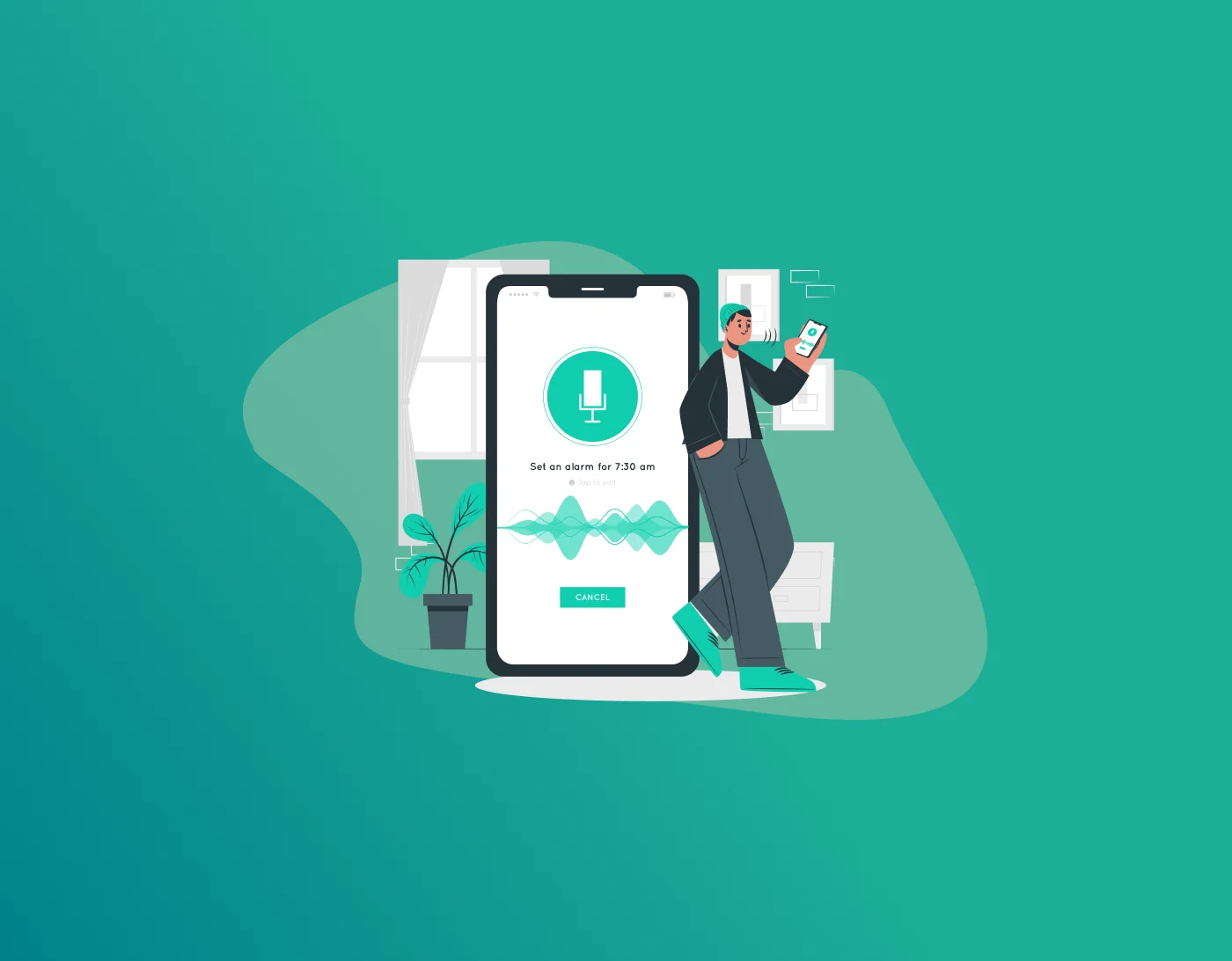

The phone rings on an ordinary evening. The screen shows a son’s name. The voice on the other end sounds broken and desperate. “Dad, there was a bad crash. I am hurt and need the bank app password to handle the hospital. Please move fast.” Every tone, every crack in the voice, every familiar way of speaking matches perfectly. Panic sets in fast. The password nearly goes out before anyone pauses to question it.
Situations exactly like this hit families more often than most realize. Deepfake Voice Scams rank among the most disturbing threats active today. These attacks clone real voices using artificial intelligence and then spin urgent stories to steal passwords or money.
Note: Families juggling many logins benefit from tools that handle complexity. FastestPass Password Manager creates and protects strong, unique passwords across devices without constant memory strain.
Breaking Down Deepfake Voice Scams
Deepfake Voice Scams stand apart from typical fraud because they weaponize trust. Regular scams rely on obvious red flags like poor grammar or unknown numbers. These attacks succeed by sounding exactly like a brother, daughter, or parent in real distress.
The technology needs surprisingly little input. Thirty seconds to a few minutes of clear speech from Instagram stories, TikTok clips, or family recordings often proves enough. Once trained, the system generates emotional speech, background sounds, and natural breathing patterns that sell the emergency.
Scammers dig deep beforehand. They scan public profiles for family names, recent trips, pet stories, and private jokes. Every detail gets folded into the conversation to make the story feel rock-solid.
The Standard Playbook Scammers Follow
Most Deepfake Voice Scams follow a clear sequence.
Targets usually start with parents or grandparents who react from the heart. Spoofed caller IDs make the call appear to come straight from the loved one’s phone.
The story hits hard and fast. Popular versions include:
- Suspense of his return home after the robbery, and the requirement for money for the return trip.
- When a car breaks down in the middle of nowhere, you need to get your account details right away. If your car breaks down in a remote location, you need the account details immediately.
- Strangers who threaten to use a password to verify their identity
The cloned voice delivers the lines with perfect emotional timing. Many recipients send information before their minds catch up to the possibility of fraud.
Real cases show how close these attacks come. One father nearly wired cash after a supposed daughter described an arrest. The voice dropped specific family facts. Only a random question about a childhood pet created a brief hesitation that raised doubts.
Reasons Deepfake Voice Scams Keep Growing
Numbers show these scams jumped more than 400 percent recently. Tools dropped in price and became simple enough for average users to run. Voice cloning apps sit openly online. At the same time, people post more spoken content than ever, giving scammers endless raw material.
Families live farther apart now. Kids move across states or countries. Distance makes instant verification tougher. Scammers count on that separation.
One stolen password from a Deepfake Voice Scams attempt often triggers a chain. Email accounts fall first, then banks, credit cards, and work systems. Damage spreads in minutes.
Why Password Requests Signal Immediate Danger
Almost every Deepfake Voice Scams call ends with a password demand. “Just share the login so this gets fixed quickly.”
Real emergencies never require anyone to speak passwords aloud over the phone. Other safe options always exist. Yet the combination of a familiar voice and raw panic makes that fact easy to forget in the moment.
Handing over credentials opens every connected account. Strong password discipline, therefore, forms the first real defense.
Clear Steps to Verify Any Suspicious Emergency Call
When panic fills the line, follow these actions in order.
Step 1: Create an Immediate Pause
Tell the caller help is coming, but a quick moment is needed to think straight. Pressure drops when the conversation slows.
Step 2: Ask Targeted Personal Questions
Prepare challenges that only the real person answers easily:
- Name of the first car ever bought in the family
- Details from a specific childhood trip to grandparents
- Exact food served during the most recent visit home
Step 3: End the Call and Redial
Hang up completely. Dial back using a number saved long ago in contacts. Never trust the callback button on a suspicious incoming call.
Step 4: Push for Live Video
Request an instant FaceTime or similar video connection. Current voice-only deepfakes still have trouble matching perfect real-time video.
Step 5: Use a Predetermined family code
Choose a safe word or phrase beforehand that doesn’t make any sense. A random detail, such as “yellow motorcycle,” indicates that it’s a valid call.
Step 6: Confirm Through Separate Apps
Send a quick message on WhatsApp, regular texting, or email. Scammers rarely maintain control over every single channel simultaneously.
Stronger Daily Habits That Protect Families
Preparation beats reaction every time.
Families gain huge advantages by talking openly about Deepfake Voice Scams. Share examples. Practice short role-play sessions so responses become automatic.
Cut back on voice samples available publicly. Switch profiles to private. Delete older videos loaded with conversation.
Activate strong two-factor authentication everywhere possible. App-based or physical key options beat text messages by a wide margin.
Turn on spending alerts for banks and cards. Weekly statement checks catch problems early.
Encrypted messaging apps like Signal handle sensitive family matters better than standard channels.
Cases That Reveal How Convincing These Attacks Get
A woman transferred twenty-eight thousand dollars after hearing her “grandson” describe a wreck with perfect childhood references. Reality only surfaced when the actual grandson called later from his normal phone.
Another near-miss involved a work VPN login nearly given to a supposed daughter stuck overseas. The call was scheduled for three in the morning local time, finally breaking the illusion.
Deepfake Voice Scams strike people of every age and tech level. Teachers, engineers, and careful planners have all faced convincing attempts.
Build Habits That Last
Put together a short written family plan. List contacts, safe words, and verification steps. Store it somewhere quick to reach.
Bring up the topic more than once. Scammers evolve fast, so conversations need to stay fresh.
Keep passwords long, random, and different everywhere. Reuse remains the fastest way to turn one breach into many.
Useful Extra Tactics
Treat sudden extreme urgency as a warning sign. Genuine problems usually allow a few minutes for safe checks.
Pay careful attention to catch any riffs or sounds that don’t quite fit in.
Test out new voice detection applications as layers, but don’t count on them for primary. Human style verification prevails.
Ensure rules are communicated to children and older family members by giving simple, repeated explanations.
FAQs
Modern tools need surprisingly little material. One or two minutes of clear public audio often delivers enough for convincing results. Reducing spoken posts cuts the risk sharply. Video raises difficulty but does not guarantee safety. Some systems now handle video too. Secret personal questions should always pair with any video attempt. No situation justifies speaking passwords aloud. Safer alternatives exist for helping without exposing accounts. Change every password right away. Contact banks, place credit freezes, and file reports with authorities. Speed limits extra damage. They often trust more readily and see fewer daily examples of new tricks. Steady family talks and shared plans help close the gap. Some tools show decent results, but none reach full reliability yet. Best results come from using them alongside direct human checks rather than depending on software alone.
Final Words!
Deepfake Voice Scams attack the deepest kind of trust by turning family voices against loved ones. Still, calm verification, pre-set codes, strong passwords, and layered habits create real protection.
Hold those family conversations soon. Set the safe words. Review every account. Consistent small actions block big losses down the road.
Scammers count on instant emotional reactions. Preparation keeps control where it belongs.
Generate passkeys, store them in vaults, and safeguard sensitive data! Receive the latest updates, trending posts, new package deals,and more from FastestPass via our email newsletter.
By subscribing to FastestPass, you agree to receive the latest cybersecurity news, tips, product updates, and admin resources. You also agree to FastestPass' Privacy Policy.
Secure and Create Stronger Passwords Now!
Subscribe to Our Newsletter