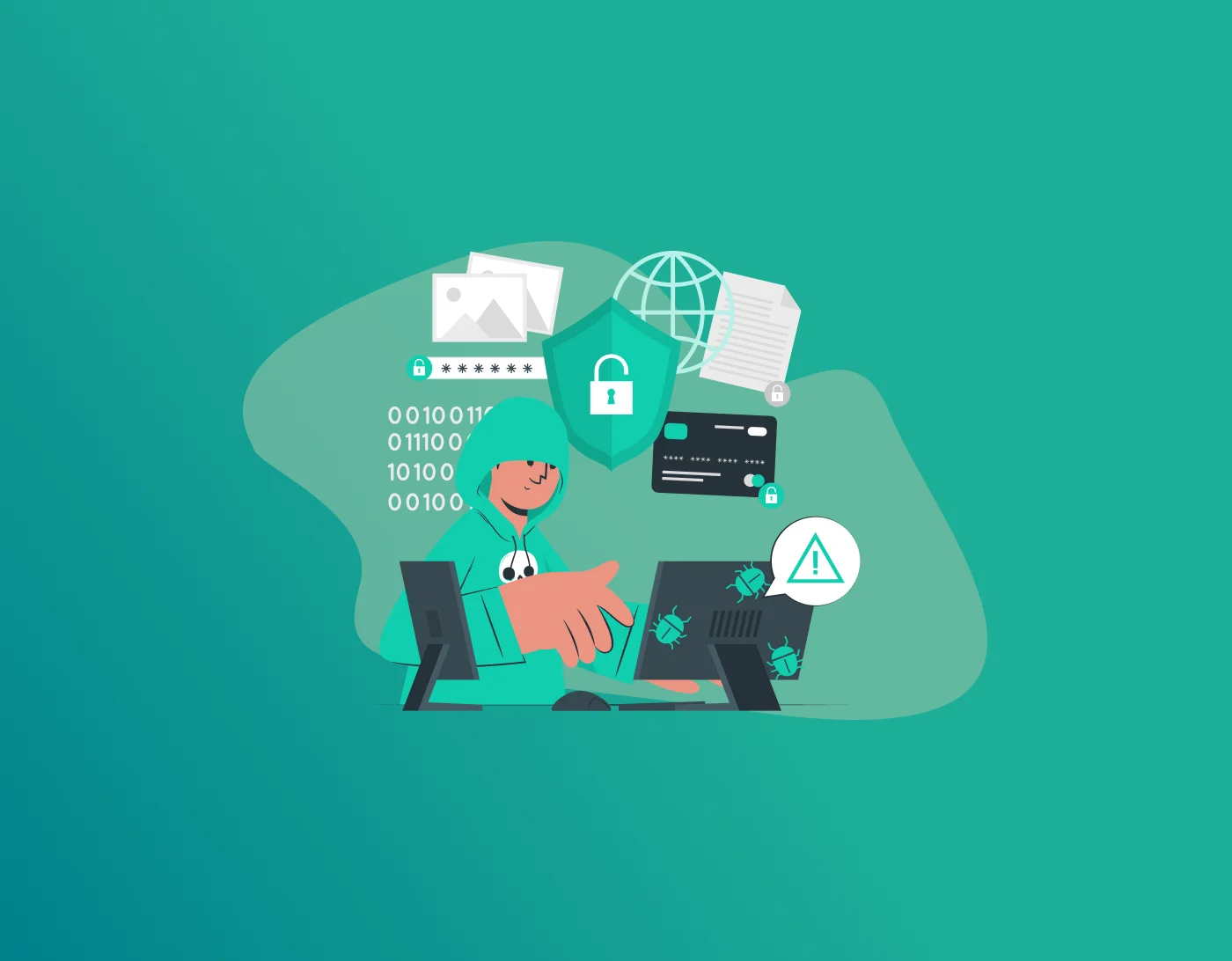
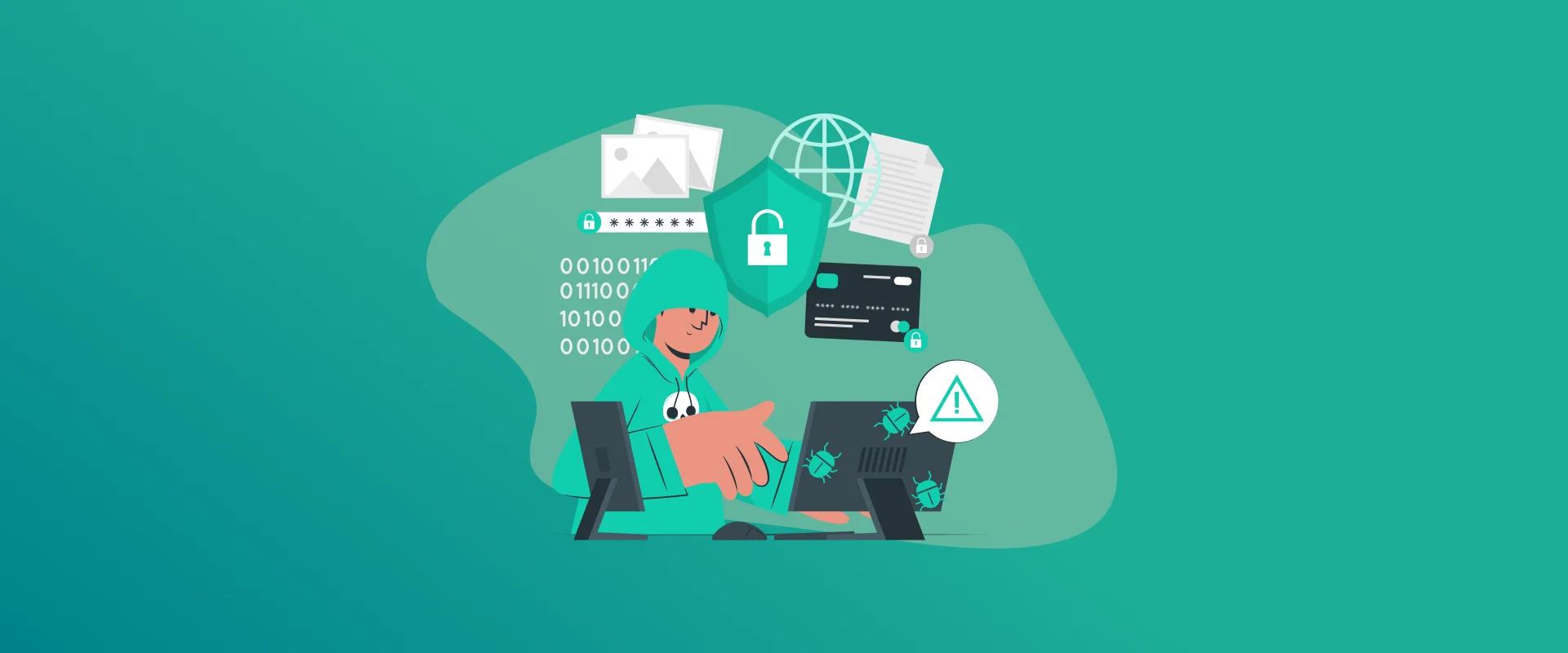
Pretexting is a social engineering attack where a person (scammer) creates a fake story to trick someone into sharing private information. The story, or pretext, is designed to sound believable, asking you for your phone number, email address, social security number, etc., pretending to be from IT support, a coworker, a bank representative, or a delivery agent. In cybersecurity, pretexting is about abusing trust, which eventually leads to major losses, both financial and emotional.
NOTE: Never share your passwords, PIN, or any other sensitive information about your digital ecosystem with a third-party or person, even if they sound/seem to be forcing you to. FastestPass password manager takes care of your password security and eliminates any third-party access to your digital security measures.
What is pretexting? Do you fear that you are being exposed to a social engineering attack from someone who pretends to be someone else? Let’s dive into the topic!
What Is Pretexting?
Pretexting is a form of deception that uses a made-up identity or scenario to get someone to reveal sensitive data. Think of getting a random call on a random afternoon with the caller asking you for something personal, out of nowhere, leaving you in a vulnerable spot.
Attackers often research their target first, rather than in an unplanned manner, and then build a convincing story around the person’s job, habits, or organization. Unlike direct hacking, pretexting relies on psychology, trust, and human error. As soon as you start to think of it as something real, the scammer could take advantage of your vulnerability.
How Pretexting Attack Works
Most pretexting attacks rely on two elements: a believable identity called a character, and a believable reason for the request, a situation. The attacker first establishes a role; it could be as a manager, vendor, or technician, then gives a plausible explanation for needing personal information or getting access to your digital accounts. The goal is to make the request feel normal enough that the victim does not question it.
Which Two Elements Do Most Pretexting Attacks Rely On?
Most pretexting attacks rely on two things: a believable character and a believable situation. The attacker first creates a role that sounds trusted, such as an IT technician, bank officer, HR manager, delivery driver, or company executive. Then they build a situation that makes the request feel urgent and normal, like a password issue, account verification, missed payment, or locked file. Together, these two elements make the story feel real enough that the victim lowers their guard.
Pretexting Techniques
Common pretexting techniques include impersonation, urgent requests, fake authority, and targeted background research. Some of the most common techniques that attackers rely on are:
Phishing
Phishing is a technique where an attacker sends fake emails, messages, or links that look like they come from a trusted source.
The goal is to make the victim click, share login details, or enter personal information on a fake website.
It often uses urgency, fear, or curiosity to push people into acting quickly without checking the source carefully.
Baiting
Baiting uses something tempting to lure the victim into taking action. This could be a free download (ads displayed on websites or apps), a stolen USB drive, a coupon, or access to exclusive content.
Once the person is curious enough to click or plug in a device, malware may install, or data may be stolen. The attacker relies on human curiosity and the promise of something valuable for free.
Impersonation
Impersonation happens when an attacker pretends to be someone trusted, such as an employee, manager, bank representative, or IT support agent.
The fake identity helps build trust and lowers suspicion. The attacker may use official-sounding language or gather personal details to sound believable. This technique works because people are more likely to cooperate when they think the request is coming from someone legitimate.
Piggybacking
Piggybacking is when an unauthorized person gains access to a restricted area by following someone who has permission.
For example, an attacker may walk in behind an employee holding the door open. They may act politely, rushed, or distracted, so the victim does not question them. This technique depends on social trust and physical security gaps rather than technical tricks.
Scareware
Scareware tricks people by making them believe their device is infected or under attack. The victim may see fake warnings, pop-ups, or alerts urging them to install software or call support immediately. The purpose is to create panic so the person acts before thinking clearly. Scareware often pushes users toward malicious downloads, fake repairs, or paid services that do not solve anything.
Tailgating
Tailgating is a physical social engineering attack where someone enters a secure area by closely following an authorized person. The attacker may carry boxes, dress like staff, or act as if they forgot their badge. The idea is to look harmless and avoid attention. This technique is dangerous because it can give attackers direct access to offices, equipment, or sensitive documents.
Examples Of Pretexting
Most of us have dealt with pretexting once in our lives. An attacker might call an employee while pretending to be from the IT department and ask for a password reset code.
Another example is someone posing as a bank employee and asking a customer to “verify” account details. Pretexting can also happen in business settings, where a fake vendor requests internal documents or payment information.
Some common examples of pretexting include:
- Personal account update scams
- Crypto scams
- Email compromise scams
- Job offer scams
- Social media scams
- Romantic interest scams
- Invoice scams
- IRS scams
How To Prevent Pretexting?
The best defense is to verify identity before sharing anything sensitive, and don’t panic when called/texted promptly. Always check suspicious requests through official channels, especially if the message feels urgent or unusual. Train employees to recognize suspicious behavior, limit the amount of public information shared online, and use strong internal approval steps for password resets, payments, and account changes.
FastestPass: Safeguard Your Online Presence With A Password Manager
FastestPass is a dedicated password manager that does two things for you: first, it saves your personal information like passwords, PINs, passkeys, for each account, app, website, and even your personal details like NTN numbers, pictures of confidential documents, etc., and more, and can only be accessed by you through a master password, or by those who have a master password and share the account with you (they will have their own access to their own account).
Pretexting and Law
If you don’t know this already, Pretexting is illegal in the United States. According to the Gramm-Leach-Bliley Act of 1999 (GLBA), it is forbidden and illegal for any individual or organization to even attempt to obtain customer information through an employee by deceptive methods. Necessary standards should be met at all costs to educate employees in organizations to comply with modern-day safety standards.
Pretexting in cybersecurity is a social engineering tactic in which an attacker uses a fake story to trick someone into revealing confidential information. It targets people and organizations rather than software or hardware. Pretexting is best described as creating a false but believable scenario to gain trust and extract sensitive information from a person or an organization. It depends on deception and impersonation. A common example of pretexting is a caller pretending to be from IT support and asking for a one-time password or login details. Phishing is a scam where attackers impersonate trusted sources, usually through email or text, to steal information like passwords or payment details. Phishing and pretexting are related, but phishing is usually the direct attack while pretexting builds the story that supports it.
The Final Say
So, you get a random text or email someday, indirectly asking you for personal information about yourself, or some customer’s information of your organization, immediately prompting you to give them the information asked. But, hold up. This is not what you should be doing. Instead, hold up, and don’t let any of these attempts fool you into making a decision that will take a toll on your digital security. To make sure you have foolproof online security always! FastestPass password manager takes your password management to the next level with modern-day security features that put us a level above others. So, what are you waiting for? Get your own dedicated password manager at the best price right now!
Generate passkeys, store them in vaults, and safeguard sensitive data! Receive the latest updates, trending posts, new package deals,and more from FastestPass via our email newsletter.
By subscribing to FastestPass, you agree to receive the latest cybersecurity news, tips, product updates, and admin resources. You also agree to FastestPass' Privacy Policy.
Secure and Create Stronger Passwords Now!
Subscribe to Our Newsletter