In our busy digital lives, passwords are everywhere. We create them for email shopping apps, banking, and social media. But let’s be honest, they are a real pain. We forget them, they get stolen, and typing long codes on our phones feels old-fashioned. Now imagine a world where you never type another password again. That is the passwordless future. It is coming fast, and it promises to make our online lives simpler, safer, and way less stressful.
The passwordless future is a future in which the account is accessed without the use of a password. You do not have to remember a name, such as BlueDog2023, but just touch your finger, or scan your face, or simply tap your phone. This change is already being advanced by big tech firms such as Google, Apple, and Microsoft. The passwordless future, they say, will reduce hacks and make life easier for everyone.
Note: You do not have to wait for the passwordless future to arrive fully. Some smart tools already help you move forward today. FastestPass Password Manager makes the switch smooth by storing your passkeys safely and suggesting easy logins.
What Does Passwordless Mean?
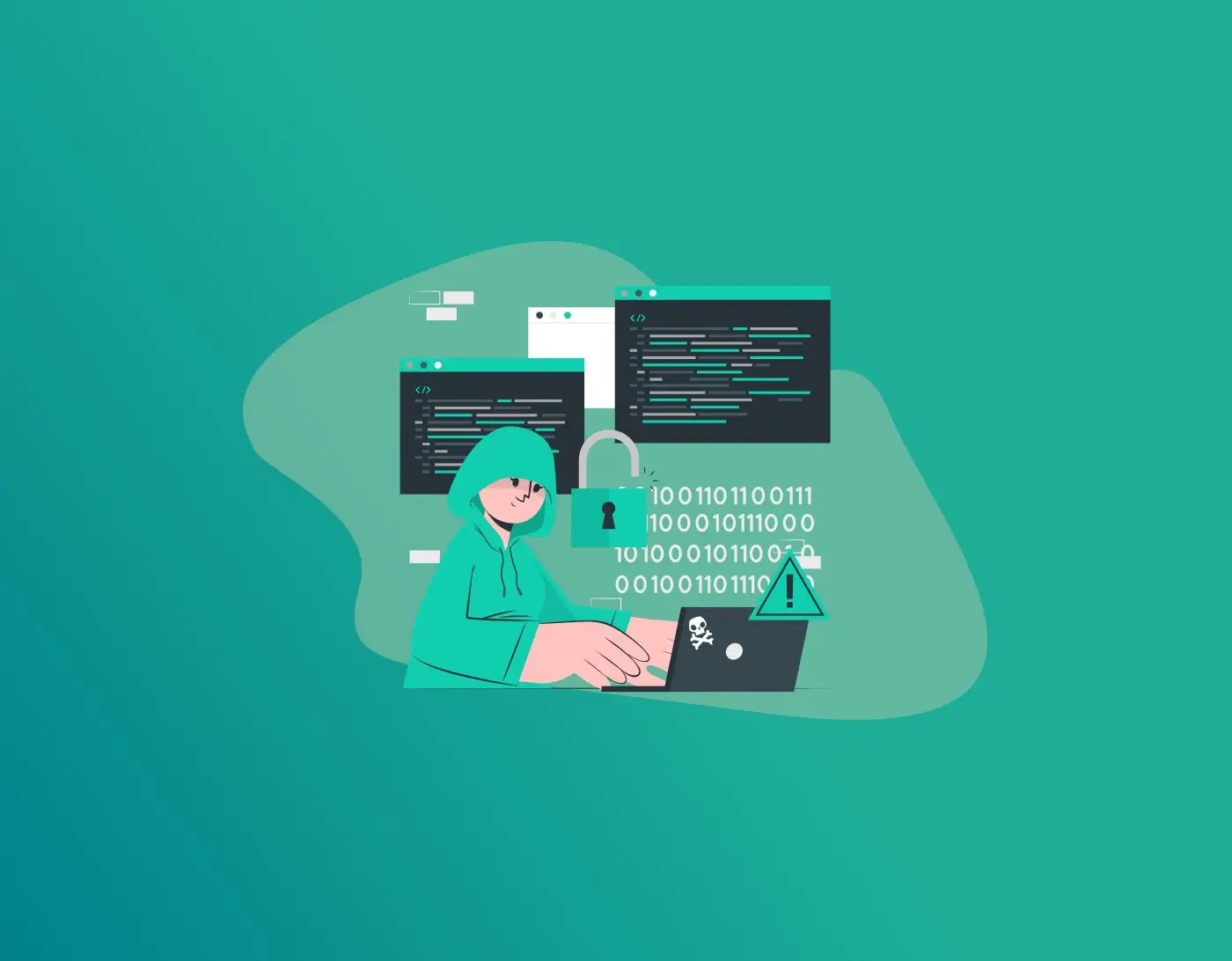
First, let’s break it down. Normal logins need a username and a password. The password is like a secret key. But hackers love stealing these keys. They use tricks called phishing to trick you into giving them away. Or they guess weak ones like 123456.
In the passwordless future, we skip the secret key part. You prove it is really you in other ways. The system checks something you are, like your face or fingerprint, or something you have, like your phone. No typing needed. This idea is not brand new. Banks have used fingerprint logins for years. But now it is growing bigger and faster across the whole internet.
New standards in technology form the passwordless future. One large one is termed a passkey. It is similar to a more secure digital key that is securely placed on your computer. As you go online, your phone or computer converses with the site and says yes this is the correct person. Your real key is never seen on the site. It merely gets a thumbs up. This renders the passwordless future a lot more difficult for thieves.
How Does the Passwordless Future Work?
Here are the main ways the passwordless future lets you log in.
- Biometrics. This means using your body. Touch your finger on the sensor or look at your phone camera. Your face or fingerprint acts as the password. It is quick, and you always have it with you.
- Passkeys. These are the stars of the passwordless future. Your device creates a pair of keys, one stays private on your phone the other goes to the website. They only work together. No one can copy them easily.
- Magic links or codes. Sometimes you get a one-time link in your email or a number on your phone. Tap it, and you are in. No password needed.
- Hardware keys. Little USB sticks or cards you carry. Plug them in or tap them to log in.
All these methods talk to each other using special security rules. Your browser or app handles most of the work behind the scenes. You just say yes or scan your face. That is the beauty of the passwordless future. Less work for you, more protection.
Many apps already support parts of this. Think about how you log into Gmail on your phone. It often just asks for your face now. That small step is part of the bigger passwordless future.
Why the Passwordless Future Is a Big Deal
Passwords cause so many problems. Studies show people reuse the same password across 20 or more sites. One hack can open doors to everything in the passwordless future; that risk drops a lot. Hackers cannot steal what is not there.
Here are the top benefits.
- Super safe. Biometrics and passkeys are tough to fake. Even if someone steals your phone, extra checks like Face ID keep them out.
- Easy and fast. No more forgot password clicks. Log in with one touch. This saves time every single day.
- Less stress. No writing passwords on paper or using sticky notes. Your brain gets a break.
- Fewer hacks. Big companies lose billions from password theft every year. The passwordless future cuts down and protects your personal info better.
- Works everywhere. Phones, laptops, tablets. The passwordless future aims to make login the same on all devices.
- Businesses love it too. Companies spend less money on help desks fixing password issues. Users stay happier. It is a win for everyone.
Any Problems with the Passwordless Future?
Nothing is perfect, and the passwordless future has a few bumps.
- What if you lose your phone? In the old days, you could reset a password from another device. Now you might need backup methods like a second phone or a printed code. Good apps plan for this, but it needs care.
- Privacy worries. Biometrics stores your face or fingerprint data. Companies say it stays on your device and never goes to the cloud. Still, some people feel nervous about it.
- Not every website is ready yet. Small sites might still need passwords for a while. You will mix old and new ways during the change.
- Older people or those without smartphones might find it tricky at first. The passwordless future must stay fair for all.
Even with these issues, experts say the good points far outweigh the bad. The passwordless future is safer overall than the password mess we have now.
How You Can Get Ready for the Passwordless Future
You can start today. Here is a simple plan.
- Update your phone and apps to the latest versions. They often add passwordless options.
- Turn on biometrics like fingerprint or face login where possible.
- Try passkeys on sites that offer them. Google, Apple, and PayPal already do.
- Choose a good manager tool to keep everything organized. FastestPass Password Manager is built to handle this exact change.
- Back up your devices. This protects you if something gets lost.
- Teach your family. Show kids and parents how easy the new way is.
Small steps now mean you will be ready when the passwordless future becomes normal everywhere.
The passwordless future is not science fiction. It is practically helpful, and already happening. By moving away from old passwords, we get safer accounts and more free time. Yes, there are small challenges, but the benefits are huge.
FAQs
The passwordless future is a time when we stop using typed passwords. We log in with fingerprints, face scans, or secure passkeys instead. It makes online access faster and much harder for hackers. Yes, it is usually safer than passwords. Your info never leaves your device in most cases, and hackers cannot guess or steal something that is not written down. Most modern phones and laptops already have what you need. A camera fingerprint sensor or secure chip. No expensive new gadgets required. Good services give you backup options like a second device or printed recovery codes. Always set these up ahead of time. Many big ones already have. Smaller sites will follow over the next few years. You can start using it on the sites that support it right now. Absolutely. It is made to be simpler than typing passwords. Just follow the on-screen steps. Most people find it easier after one or two tries.
Final Words!
The passwordless future is exciting because it fixes a problem we all complain about. No more forgotten passwords, no more worry about hacks, and no more slow logins. It uses simple things we already have. Our faces, fingers, and phones. To keep us safe.
We are not fully there yet, but every month, more apps join the movement. Start small today. Update your devices, try passkeys, and pick a helpful tool like FastestPass Password Manager to guide you. Soon, logging in will feel natural and quick.
Generate passkeys, store them in vaults, and safeguard sensitive data! Receive the latest updates, trending posts, new package deals,and more from FastestPass via our email newsletter.
By subscribing to FastestPass, you agree to receive the latest cybersecurity news, tips, product updates, and admin resources. You also agree to FastestPass' Privacy Policy.
Secure and Create Stronger Passwords Now!
Subscribe to Our Newsletter